People ask which printer to buy as if one wins. They do not compete for the same work. A filament machine and a resin machine are good at different things, and the useful question is which of the things you want to print belongs on which.
We run both in this shop, because the catalogue needs both. Here is how the split actually falls.
The short version
Filament, also called FDM, builds a part by laying down melted plastic in lines. It is cheap to run, handles big hollow objects well, and the cost of a failure is a wasted afternoon and some plastic. Layer lines are visible and are usually dealt with by sanding, priming and painting.
Resin, also called SLA, cures liquid resin with light, layer by layer. It resolves far finer detail, so a face looks like a face rather than a stack of lines. Build volumes are smaller, the material costs more, and every part needs washing in alcohol and curing under light before it is finished.
The Formlabs comparison linked at the bottom goes through the engineering differences in detail. It is published by a resin printer manufacturer, so read it with that in mind, but the technical substance is sound.
Which of these designs suits which machine
| What you want to print | Machine | Why |
|---|---|---|
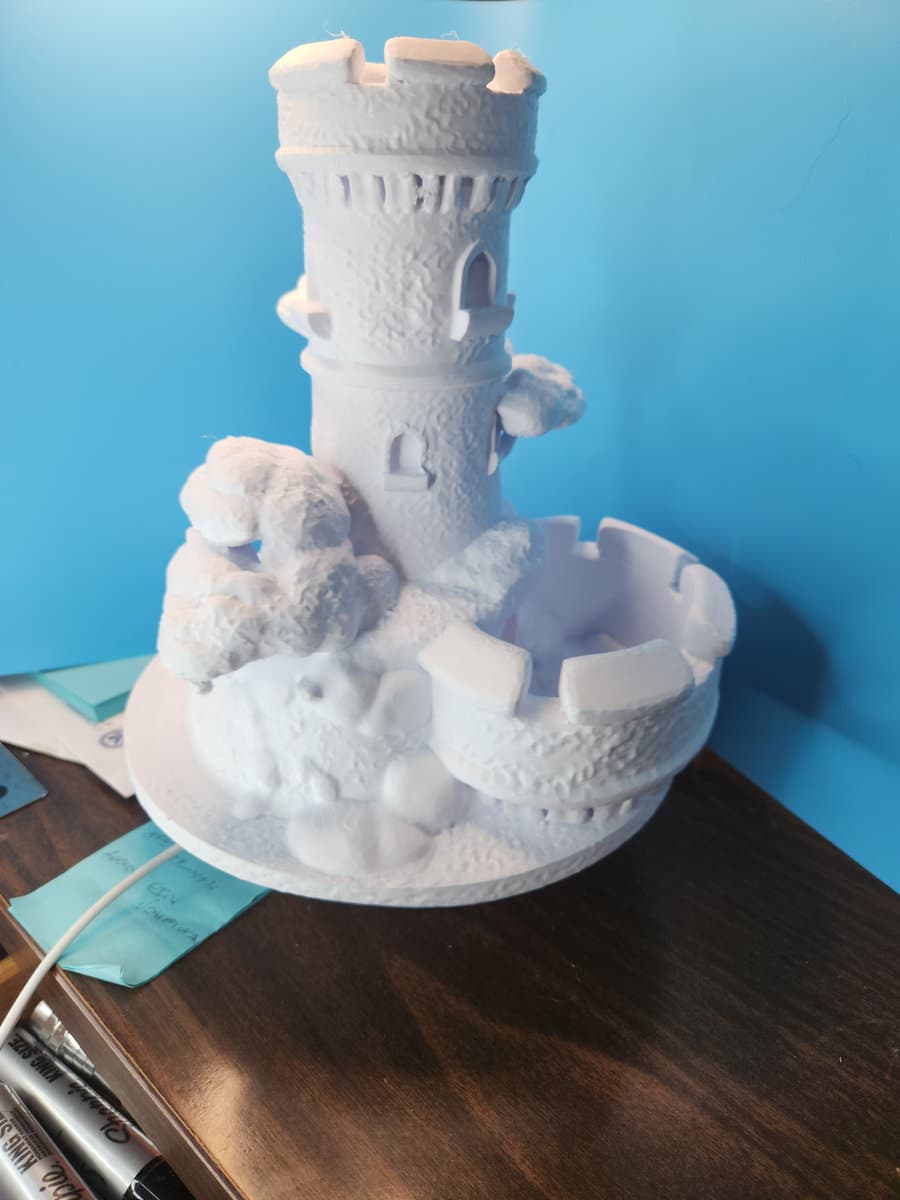
| Dice towers | Filament | Tall hollow shells, often over 200mm. No resin printer in the hobby range will hold one |
| Class tankards | Filament | Same reason, plus you want the toughness for a piece that gets handled |
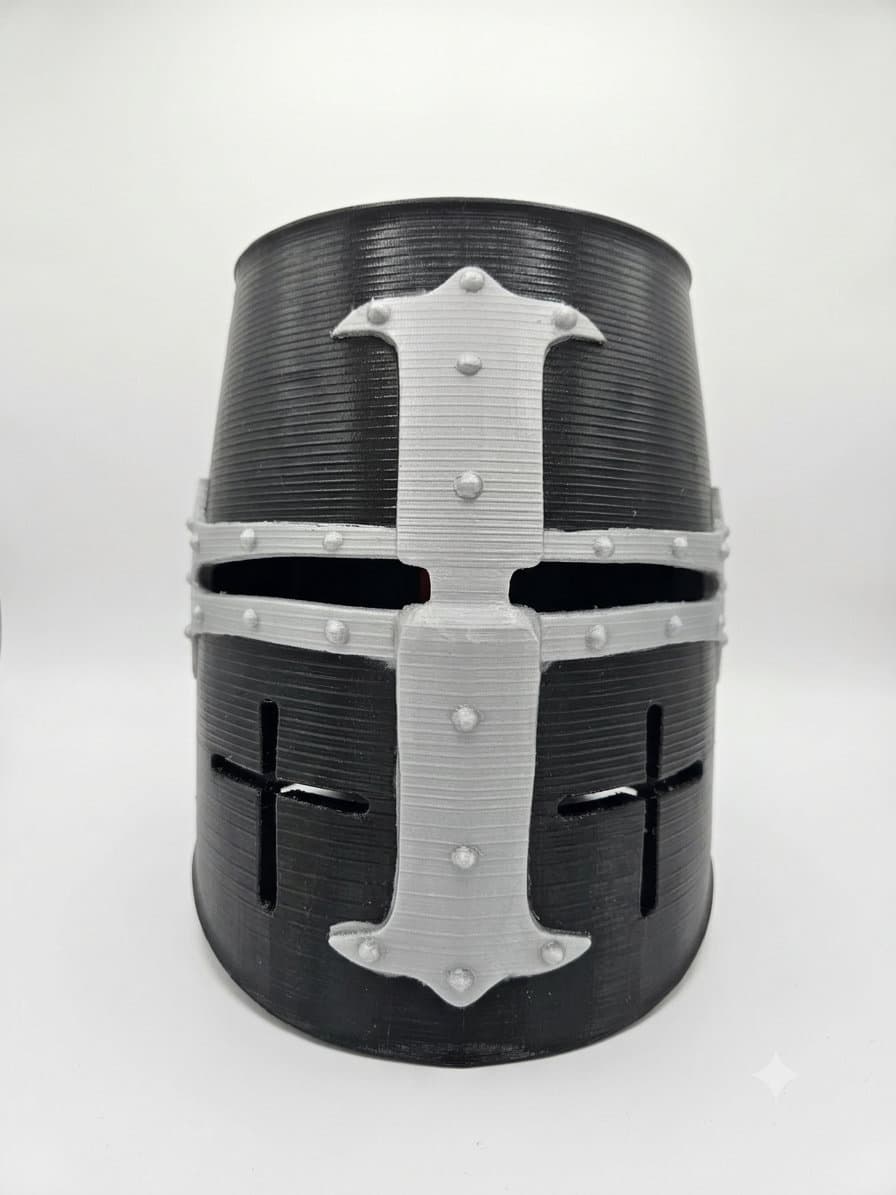
| Helms and masks | Filament | Large, needs impact tolerance, and resin is brittle for anything worn |
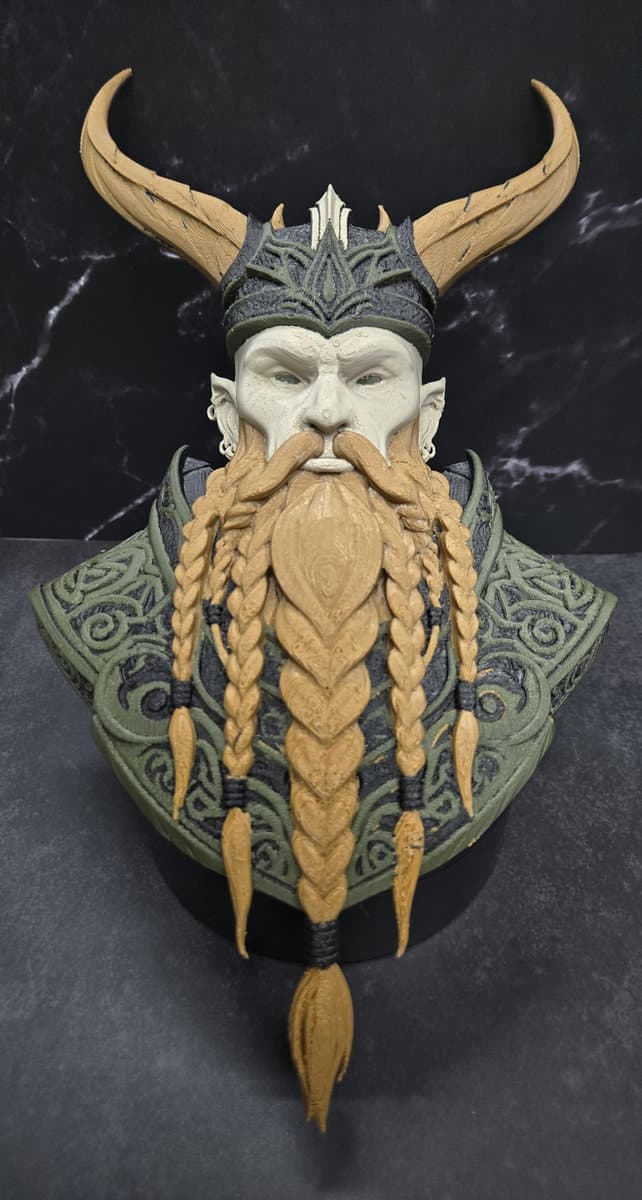
| Busts and figures | Resin | Faces, hands and fine texture are exactly where resin earns its keep |
| Wall hangers and book nooks | Either | Filament for the structure, resin for small detail parts, and many pieces mix both |
| Flexi and articulated models | Filament | Resin fuses the joints and the gaps are hard to drain and wash |
| Jewelry masters | Resin | Casting and fine detail work want resolution over toughness |
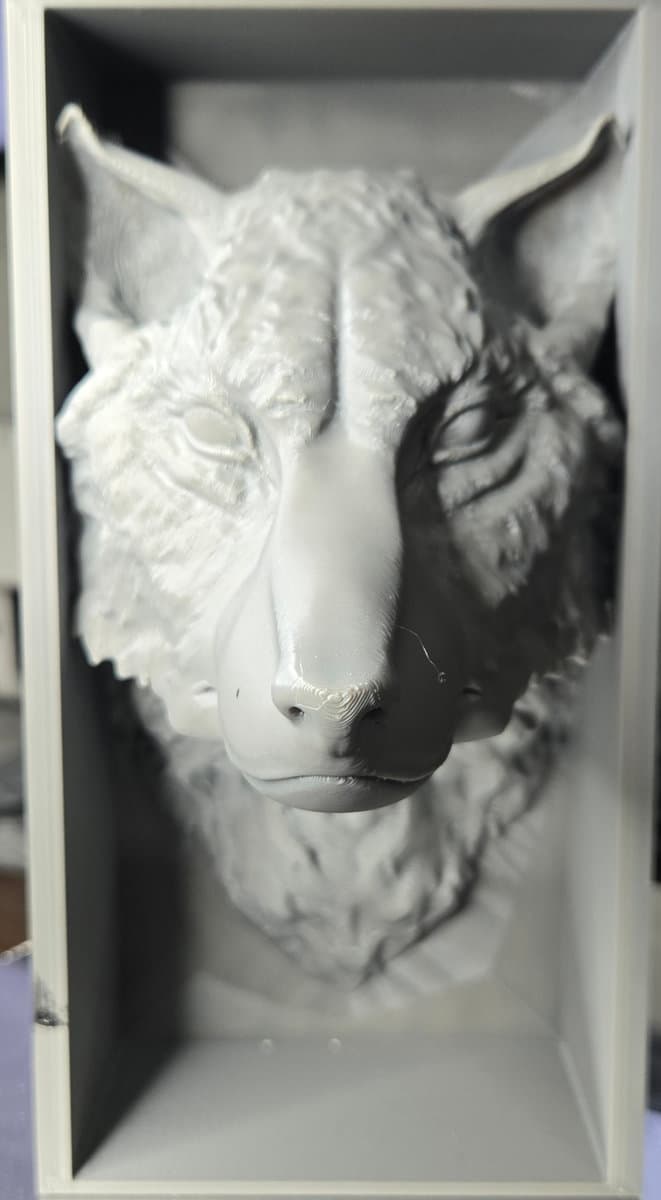
So of the files in this shop, the dice towers, the class tankards and the helms and masks are filament work. Pieces in busts, figures and decor can go either way, and the detailed ones reward resin: a Kraghorn Thane wall hanger looks noticeably sharper off a resin machine, while a Wolf Book Nook is mostly structure and prints happily in filament.
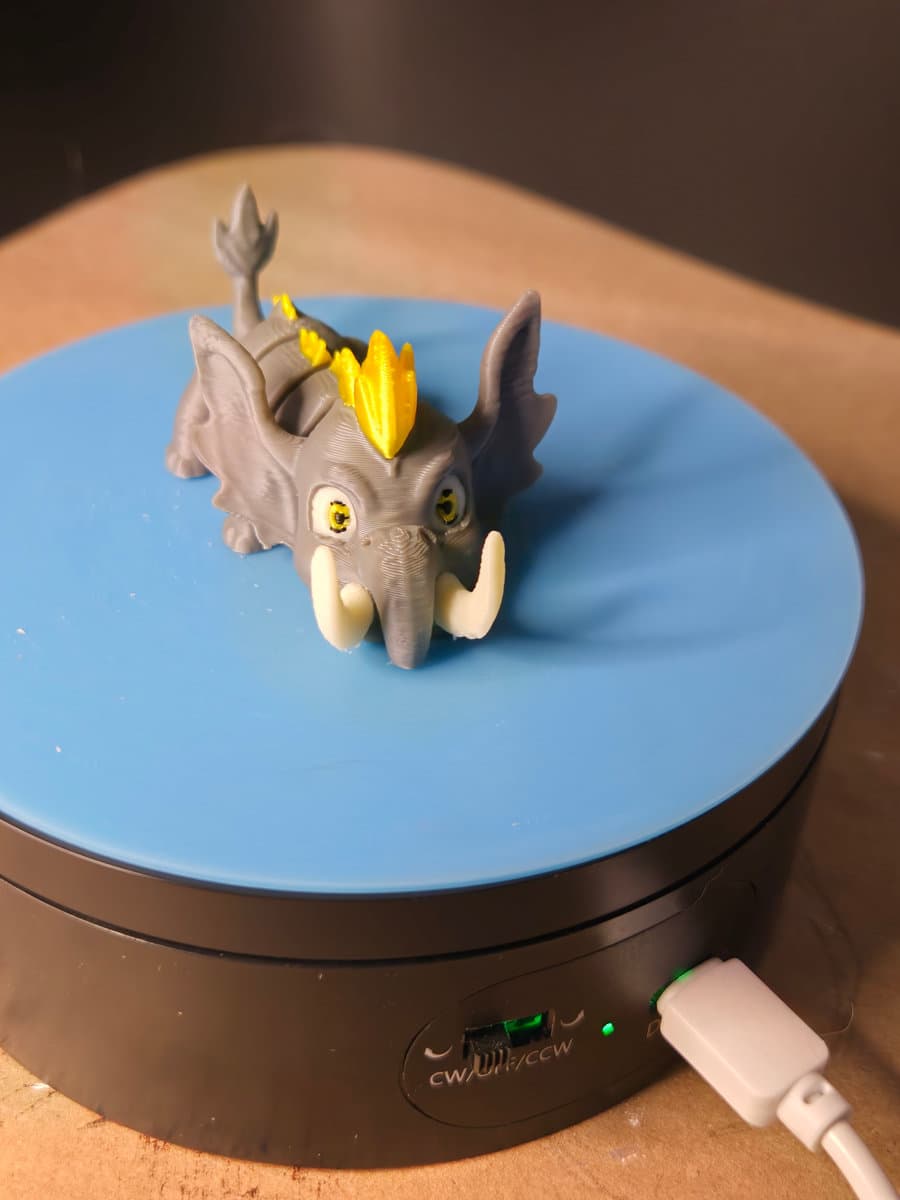
The one hard rule is flexis. Print Manny the Mammoth Dragon and anything else articulated on a filament machine. The joint gaps in those models are tenths of a millimetre, and uncured resin sitting in a gap cures into a solid joint. Our flexi troubleshooting guide covers the rest of that story.
Build volume is the constraint people underestimate
This decides more purchases than detail does.
A Dark Crusader Great Helm needs roughly 230mm of clearance in two directions to print whole. Plenty of filament printers manage that. Very few affordable resin printers come close, and splitting a helm into enough resin sized sections turns one print into a weekend of gluing and filling.
Going the other way, a 60mm bust prints beautifully on either machine, and on the resin one it needs no sanding at all. If what you want is a shelf of painted characters, a small resin printer is a better buy than a large filament one.
Measure the things you actually want to make before you shop. The helm guide has the measuring and splitting method if wearables are your goal.
Running costs and the hidden ones
Filament costs are simple: a kilogram of PLA, a nozzle now and then, something to help the first layer stick. A failed print costs the plastic and the hours.
Resin costs more honestly than people admit. There is the resin itself, then isopropyl alcohol for washing, nitrile gloves you go through steadily, screen protectors, replacement build plates, and a wash and cure station unless you want to do it in tubs. Resin waste cannot go down the drain, so there is disposal to think about too.
Neither is expensive as hobbies go. Resin simply has more consumables, and that is worth knowing before the second month rather than after.
Handling resin without regretting it
If you do go resin, treat the liquid properly:
- Gloves, always. Uncured resin irritates skin and sensitization gets worse with repeated exposure, not better.
- Ventilation. A window and airflow, or a garage. Not a bedroom with the door shut.
- Never pour waste down a drain. Cure the waste solid under light, then dispose of it as solid plastic.
- Wash and cure every part fully. A tacky surface means uncured resin is still on it, which you do not want on your hands or your paint.
None of this is a reason to avoid resin. It is a reason to set up for it deliberately instead of unboxing it on the kitchen table.
What to buy first
If you are buying one machine and you want to print what is in this shop, buy a filament printer. It covers the towers, the tankards, the helms, the flexis and most of the decor, costs less to run, and its failures are a lot less messy. Add a small resin printer later if you find yourself drawn to busts, figures and jewelry.
If you do not want to buy a printer at all, that is a reasonable answer too. The shop sells finished and handmade pieces that ship ready to use, and we take commissions on most designs through the custom quote form.
Whichever way you go, the files carry a commercial print license, so the prints you make are yours to sell. The licensing guide explains what that covers, and the dice tower guide is the best place to start if a filament machine is on the way.