We bought this box ourselves at the normal subscription price. Nothing here was sent to us free and nobody paid for coverage.
The NuBox is the harder of the two subscriptions we ran this month to actually get. Slots open on the first of the month and go quickly, which tells you something about the product before you ever open the box.
What the subscription actually is
From the official Numakers store pages:
- The box is called the NuBox, listed as a premium filament subscription at 39 dollars.
- Materials across the range include PLA+, PETG HS and ASA, and there is a separate PETG focused box.
- Billing is immediate for the first box, then on the twenty eighth of each month.
- New subscription slots open on the first of each month, at around midday Eastern time, and the listing says they sell out quickly.
- A NuBox Surplus section sells extra spools of NuBox exclusive colors, and the store also offers HueForge packs.
That last point matters more than it looks. A subscription whose colors are exclusive to it, with a surplus shop attached, is selling the colors rather than the kilograms. It is a different proposition from a box that sends two rolls of ordinary PLA at a good price, and it explains why slots go as fast as they do.
What arrived in October
The October box held three filament selections.
Packaging was mint. Everything arrived undamaged, with the spools in perfect condition and nothing to report on the condition of the box itself.
The three colors were Terracotta Orange, Hazy Pistachio and Cappuccino Brown. Taken together they are unmistakably a seasonal set: burnt orange, a soft muted green and a warm coffee brown, which is about as close to an autumn palette as three spools get.
That is worth dwelling on, because it is the argument for this kind of box. Nobody assembling their own filament order picks a hazy pistachio. It is the sort of color you would scroll past in a shop and then find yourself reaching for repeatedly once it is on the shelf, and it is the clearest illustration of what you are actually paying the premium for here: a curated set rather than a quantity of plastic.
Printing with it
They printed like warm butter. Smooth, predictable, nothing that needed babysitting or a settings argument. For a box sold on its colors rather than its kilogram count, that is the part people most need reassurance about, because an exclusive color is worth nothing if the spool fights you.
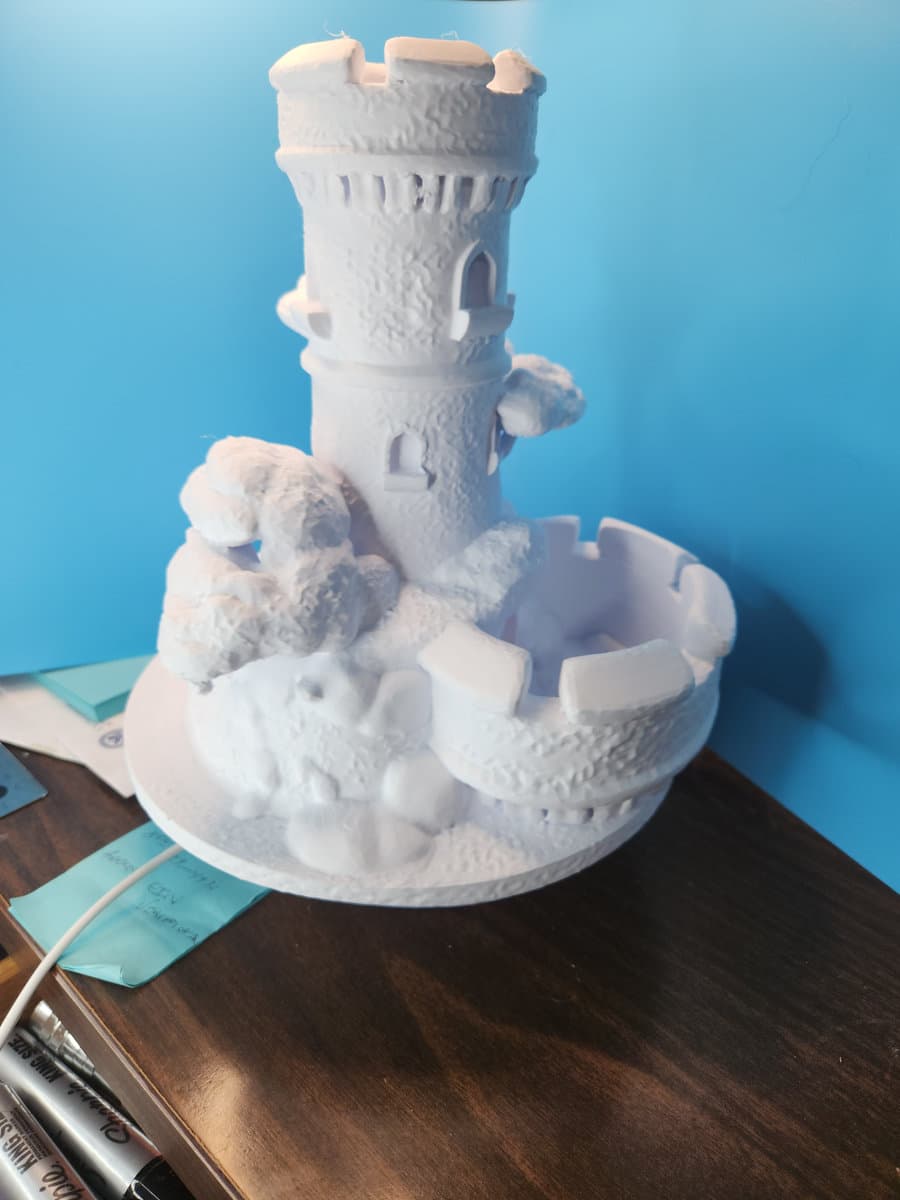
Our shakedown print for any new spool is the Rook Tower, using the settings from our dice tower guide. It is tall, finely detailed on the stonework and immediately unforgiving about stringing, so a spool either looks good on it or it does not.
One thing to go in knowing: a mixed material box asks more of you than a single material one. PLA+, PETG and ASA all want different nozzle temperatures, different cooling, and in the case of ASA ventilation and ideally an enclosure. A box spanning those is sending three different jobs rather than three colors of the same one. The Prusa material guide linked at the bottom is the fastest reference for what each needs.
Using three colors together
Three spools landing at once is the natural moment to try a color change, and you do not need an automatic material system for it. One change at a chosen layer gives you two colors in a single piece, and the method is in our guide to multicolor printing without an AMS.
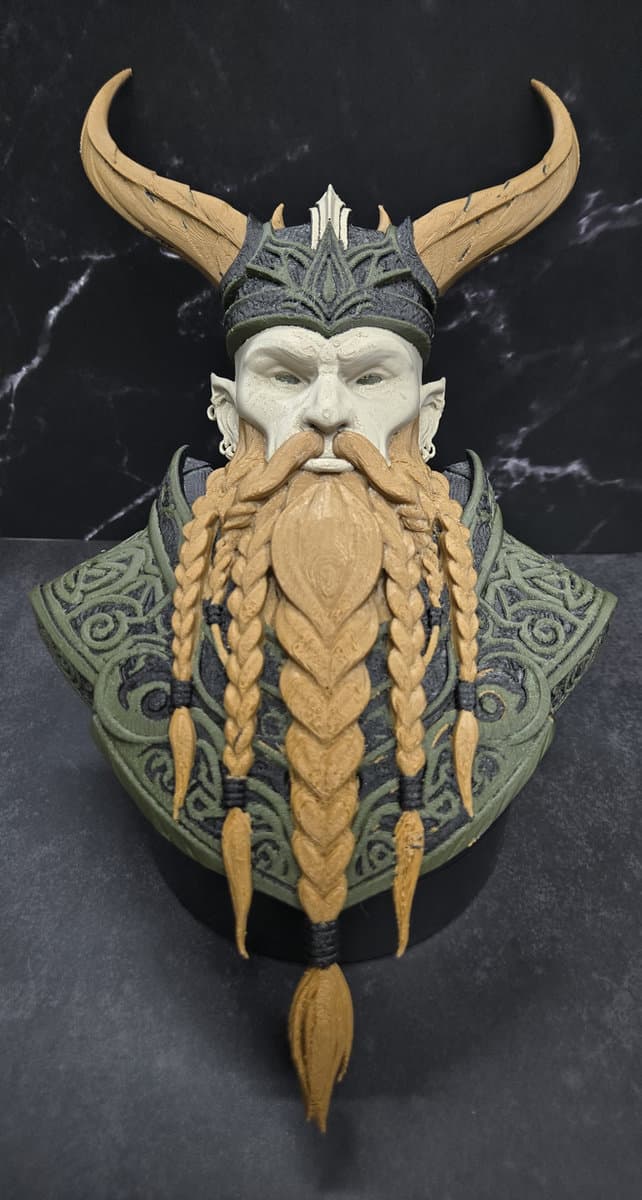
The trick is putting the boundary where the model already steps. A wall piece like the Kraghorn Thane takes a change between mantle and face, the dice towers change neatly at the catch tray, and the class tankards take a band near the rim.
Who the box suits
On print quality this box delivered, and the packaging was faultless. What you are really paying the premium for is color selection you cannot get elsewhere, and whether that is worth it depends entirely on whether you care about having colors other people do not.
As a rule it suits you if color choice is the point and you are comfortable working across several materials. It suits you less if you want predictable kilograms of one material to burn through on production prints, which is what the cheaper quantity focused boxes are for.
We are keeping this subscription for at least another month. The October set made the case for itself: three colors that printed cleanly, arrived perfectly packed, and work together as a palette rather than as three unrelated spools.
Read next
The October SliceBox review is the direct comparison, and the multicolor printing guide is how to use several colors in one print without extra hardware.
Everything in the shop is test printed here before it goes on sale, which is why spool consistency is not an academic question for us. The files all carry a commercial print license, so the prints you make from them are yours to sell.